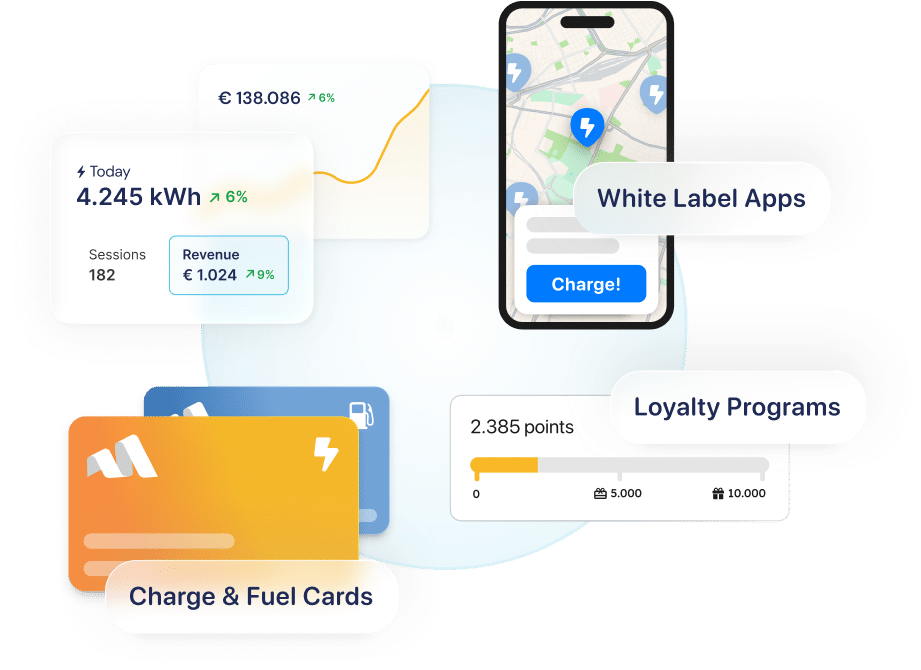
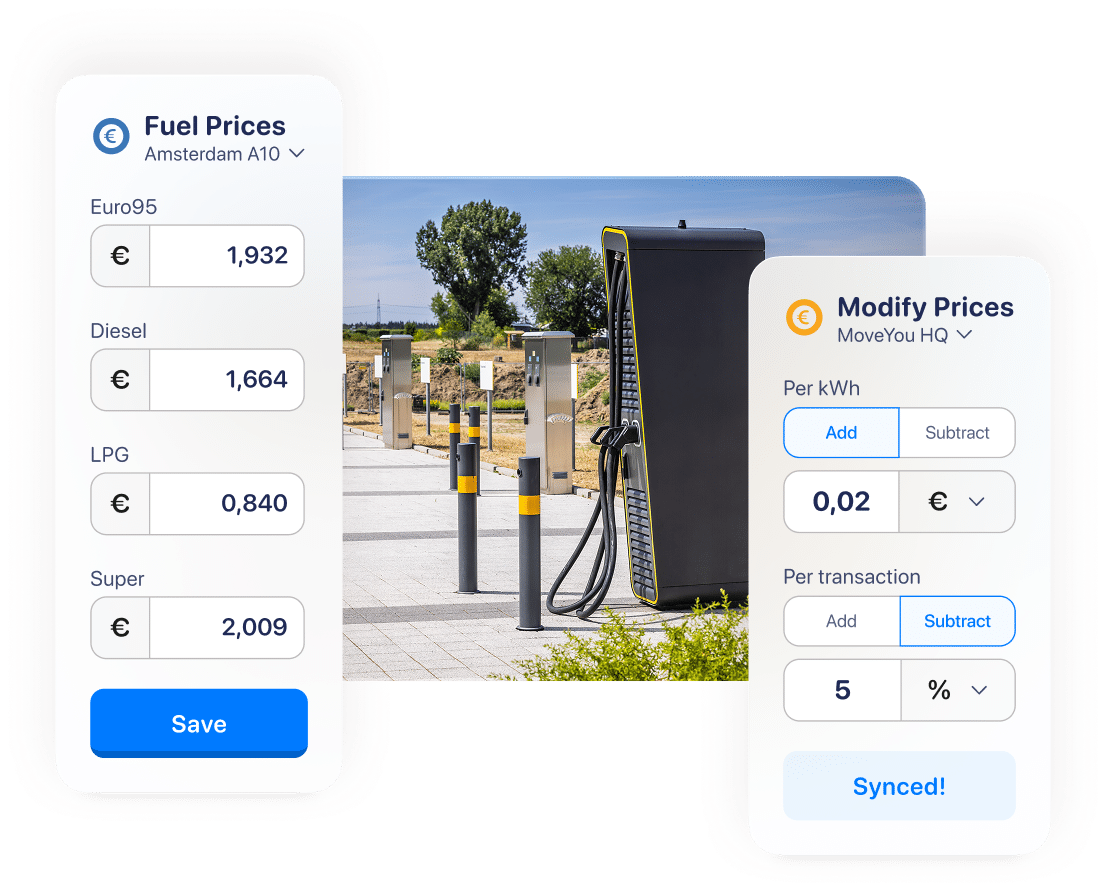
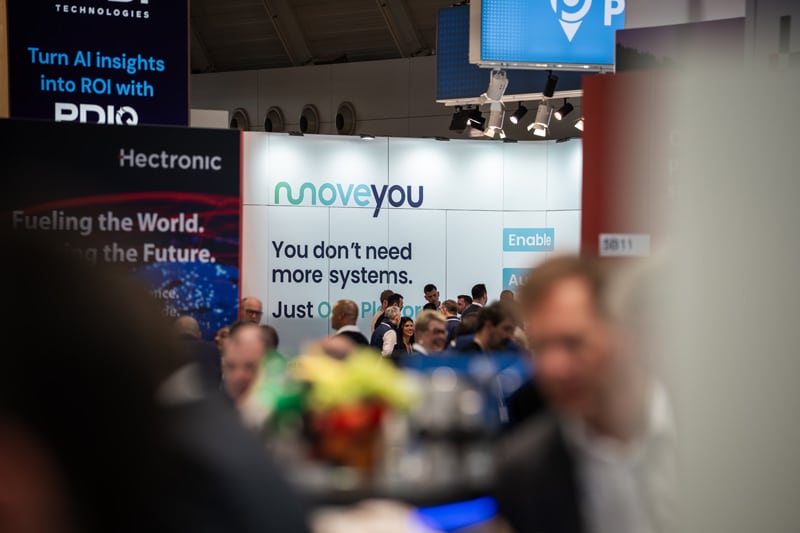
The direction the sector is heading in is by now widely agreed upon. At the UNITI expo in Stuttgart, one message took centre stage: everything has to come together. Fuel, charging, parking, shop, loyalty, ideally through a single, consistent customer experience. An established player like Dover Fueling Solutions is going all in on this too: fewer standalone systems, lower operational costs, one integrated experience. It is a logical move, and proof that consolidation is no longer a niche topic but a market-wide necessity.
The question is no longer whether you consolidate. The question is how, and what you build on.
The problem: systems older than the goals they are meant to serve
Across large parts of the mobility and energy sector, operations still run on infrastructure from another era. Systems that are thirty, sometimes forty years old. Built smartly and purposefully at the time, but then extended, patched and stretched year after year to keep up with every new requirement.
The result is familiar: unwieldy monoliths. Indispensable to day-to-day operations, yet at the same time a brake on everything that comes next. Every change is a project. Every integration a risk. Every new service another island system bolted on alongside.
And, more importantly, these systems can no longer be put to work for tomorrow’s goals. They were built for a world of one product and one channel, not for a world in which issuers want to run a complete, multimodal mobility proposition under their own brand.
The shift: fewer litres, more margin
That technical debt would be sustainable if volumes were stable. They are not. Fuel volumes are in structural decline, driven by electrification, more efficient vehicles and changing behaviour. And that decline is set to continue.
This shifts the entire revenue model. Margin sits less and less in the litre and more and more in the relationship with the customer: loyalty, subscriptions, EV charging, parking and value-added services. Fewer litres, but more margin per customer, provided you are actually able to unlock that margin.
And that is where it pinches. Continuing to fund a heavy legacy estate on shrinking volumes is mopping the floor with the tap still running. At the same time, those very same legacy systems cannot be extended quickly enough with the services the new margin has to come from. Two movements that reinforce one another, both undermined by the same outdated infrastructure.
At a moment like this, the market splits into two kinds of organisations.
The first group is buying time on a shrinking base. The second group is building a cost structure that moves with the market, and a proposition that can absorb new margin where the litre falls away.
When volumes are falling, a modern, open platform is not a cost item. It is the way to lower your costs and shift where your margin comes from.
Cut now, pay more later
The first group cuts costs across the board, keeps the existing systems running, and keeps paying for maintenance that becomes more expensive and more fragile every year, while the volume those costs are spread across keeps shrinking.
- Across-the-board cuts
- Legacy systems
- Rising maintenance
- Growing fragility
- Shrinking volume
Invest now, compound later
The second group invests now in a modern, open and standardised platform that structurally lowers operational costs, and lets new, high-margin services be added quickly.
- Modern platform
- Open & standardised
- Lower operating cost
- Fast to extend
- High-margin services
The fallacy: optimising on the wrong layer
This is where the UNITI message gets interesting. Because “bringing everything together” is right as a direction, but the question is on which layer you do it.
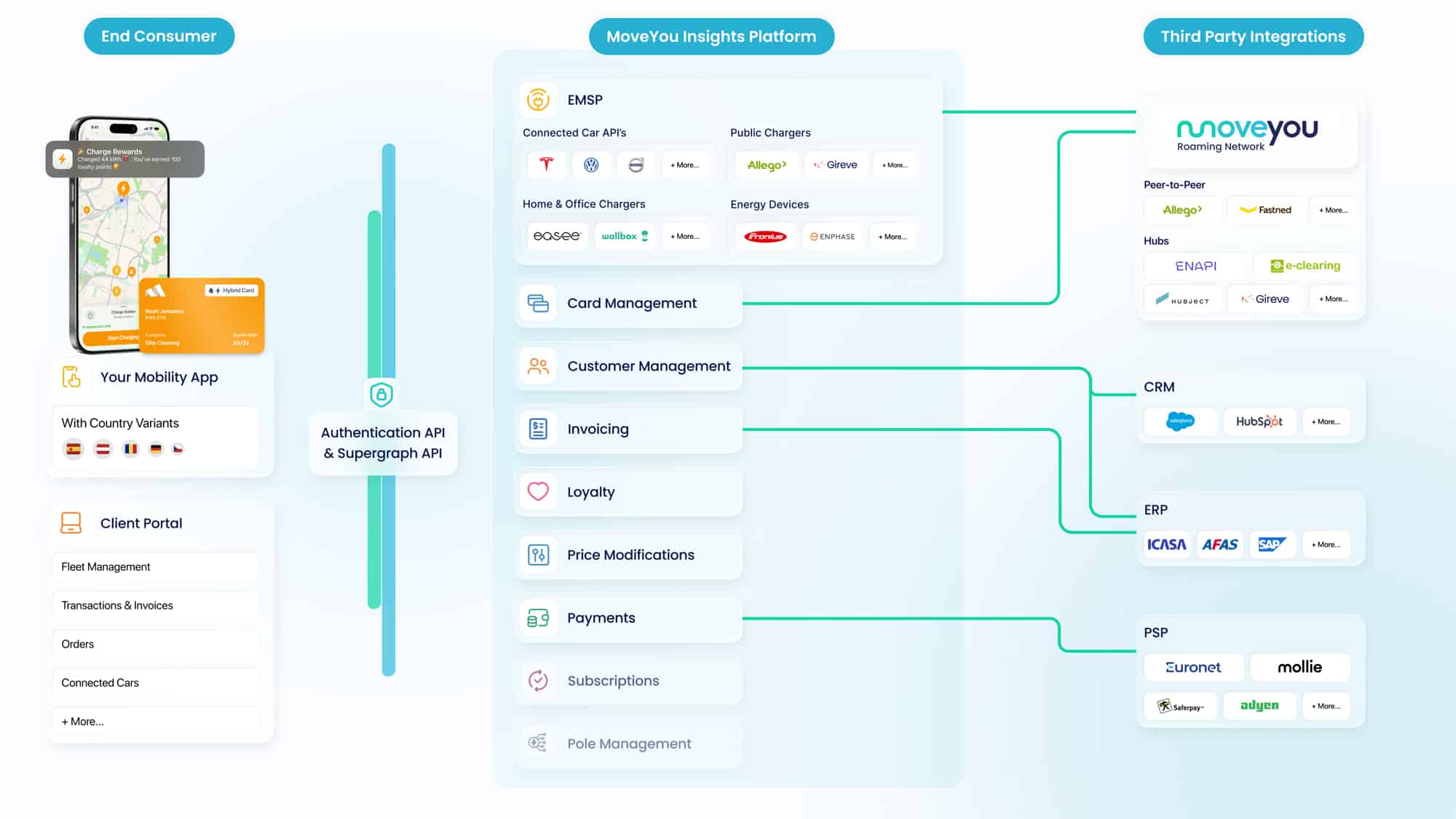
Renew the hardware and systems at the site, and you optimise a single station. That is valuable, but it resolves the fragmentation precisely where it hurts least. Because the real complexity does not sit at the pump or the terminal. It sits in the layer above: the place where your entire proposition comes together.
That is where the real fragmentation lives:
A platform at site level makes one location more efficient. A platform at issuer level makes your entire network scalable. That is a fundamentally different level of return on the same investment.